

SHOP ALL






How Maternity Clothes Should Fit (Even When Your Body Keeps Changing)


One of the most unsettling parts of pregnancy isn’t just how much the body changes — it’s how often it changes.
Something that fit last month can suddenly feel wrong. Waistbands feel different. Fabric behaves differently. And it’s not always clear whether the problem is your body, the clothes, or both.
If you’ve ever wondered whether your maternity clothes are supposed to feel this way, you’re not alone.
Why Fit Feels So Confusing During Pregnancy
Pregnancy doesn’t follow a straight line.
Your body changes in stages:
-
early pregnancy brings subtle shifts
-
mid-pregnancy often brings rapid growth
-
later pregnancy can feel heavier and more sensitive
Because of this, “fit” isn’t a fixed concept. Clothes that fit well during pregnancy aren’t static — they’re designed to adapt.
That’s where much of the confusion comes from.
What “Good Fit” Actually Means During Pregnancy
Maternity clothes aren’t meant to fit the way regular clothes do. A good fit during pregnancy prioritizes comfort and flexibility, not structure or precision.
In general, maternity clothes should:
-
feel supportive, not tight
-
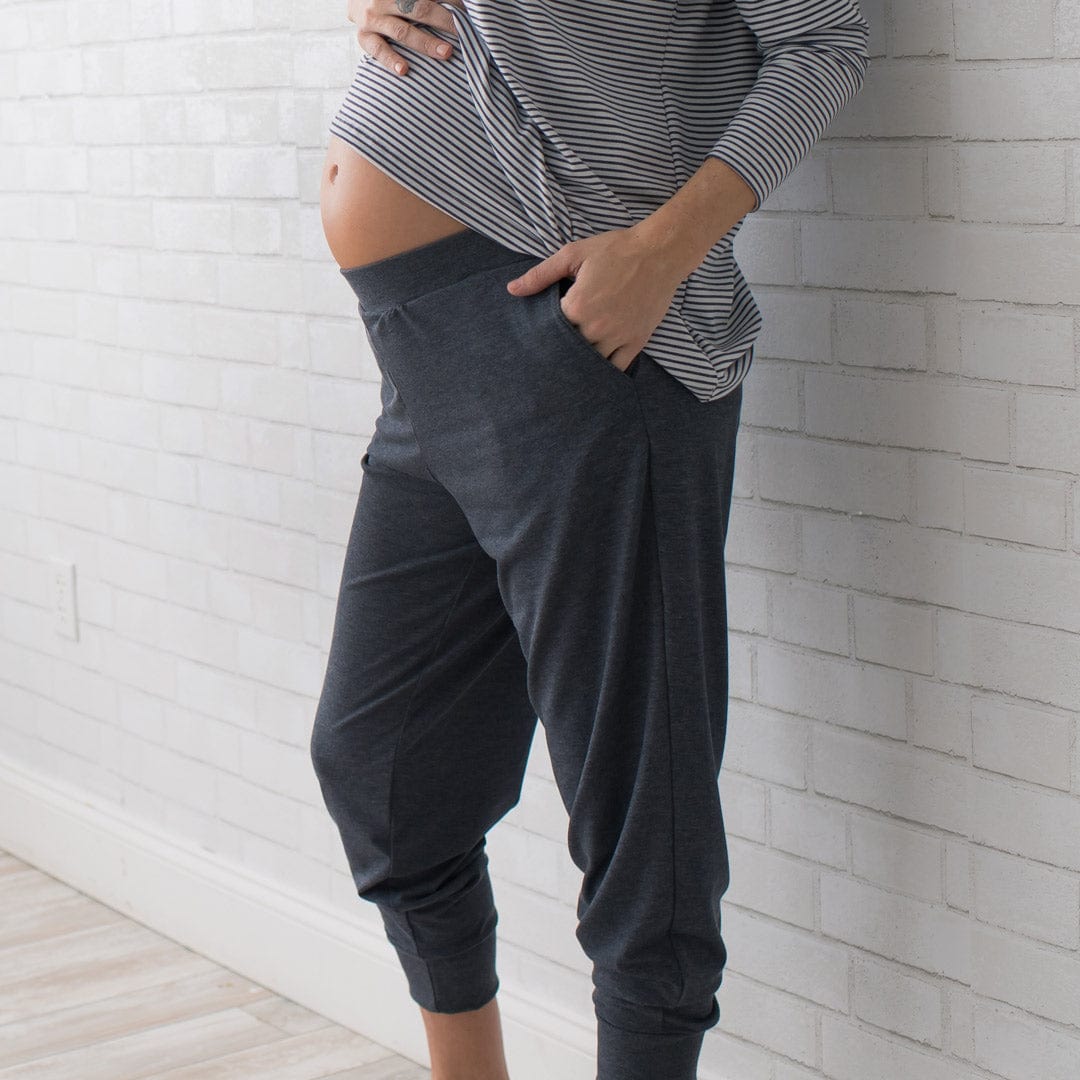
stretch without digging in
-
stay in place without constant adjustment
-
allow room for growth
If you’re constantly aware of your clothes throughout the day, they’re likely not fitting as well as they should.
Common Fit Concerns (And What’s Normal)
“This feels snug — is that okay?”
Some gentle snugness, especially around a growing belly, can be normal if the fabric is soft and flexible. What shouldn’t happen is:
-
pressure
-
pinching
-
the need to pull or fix constantly
Discomfort is a sign to reassess.
“Should I already size up?”
Many people are surprised to learn that maternity clothes are often designed around pre-pregnancy sizing, with stretch and shape built in to accommodate growth.
That means sizing up isn’t always necessary — especially early on. Fit should be guided by how something feels on your body, not by what you think should happen next.
“What if my body changes again?”
It will — and that’s expected.
Clothes that work well during pregnancy tend to:
-
stretch as your body changes
-
recover their shape
-
remain comfortable across multiple stages
This is why simple, flexible pieces often get worn the most.
The Role of Everyday Basics
When fit feels unpredictable, having a few reliable basics can make daily life easier.
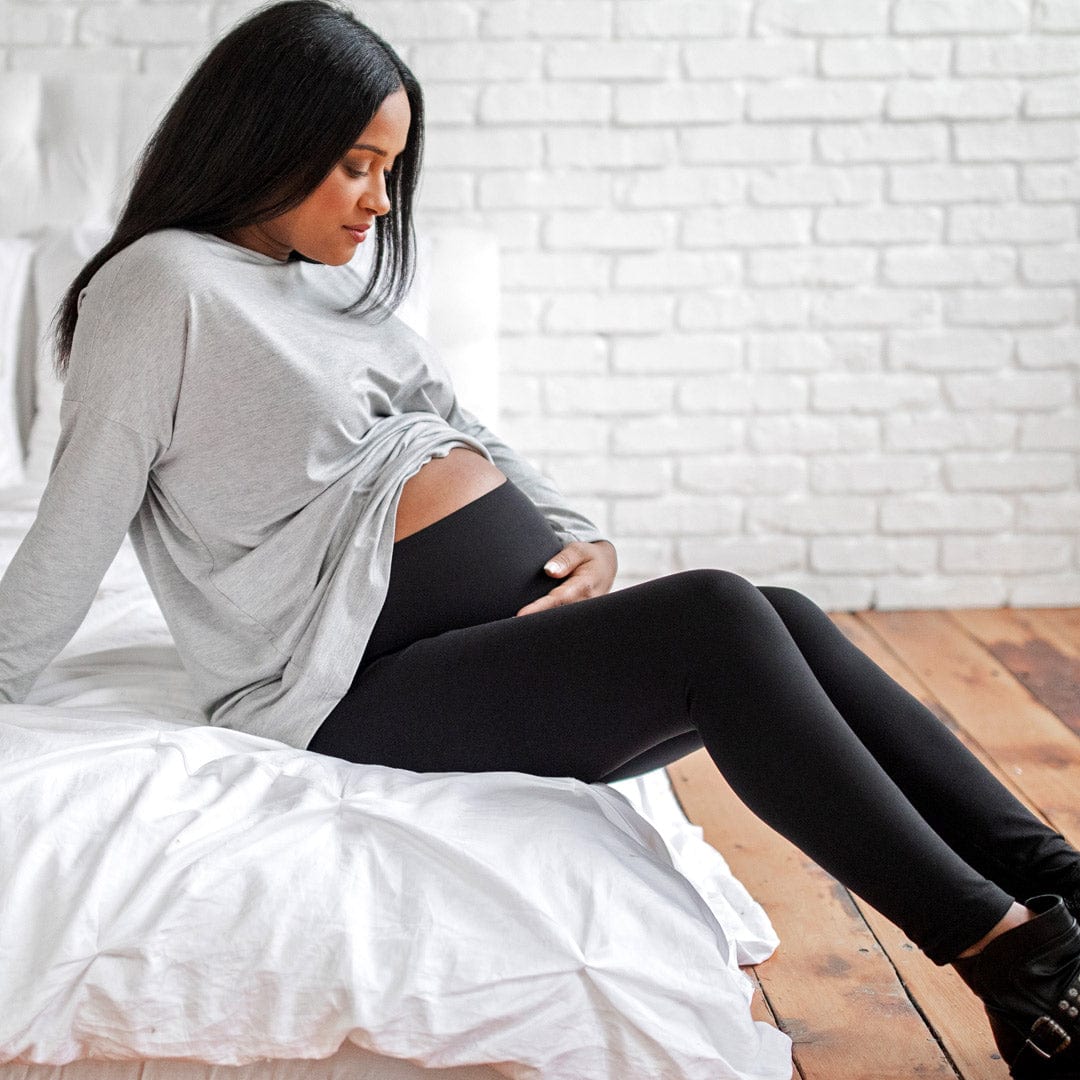
Many people gravitate toward pieces like comfortable maternity leggings because they:
-
adapt to a changing belly
-
move easily with the body
-
work whether you’re resting or active
They’re not about a perfect fit — they’re about consistent comfort, even as everything else shifts.
Signs Your Clothes Fit Well (Even If They Feel Different)
A good maternity fit might feel unfamiliar, but it usually shows up in subtle ways:
-
you stop thinking about what you’re wearing
-
nothing needs constant adjusting
-
sitting, standing, and bending feel natural
-
fabric feels supportive rather than restrictive
If your clothes quietly support your day, they’re doing what they’re supposed to do.
Letting Go of “Perfect Fit”
Pregnancy isn’t the time to chase perfection.
Bodies change. Sensations shift. Preferences evolve. A good fit today might feel different tomorrow — and that’s okay.
The goal isn’t to find clothes that feel the same every day.
It’s to find clothes that keep up.


